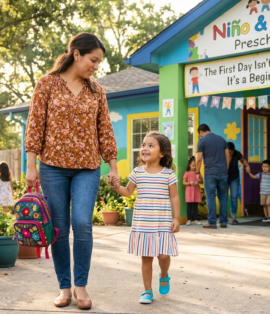
As your little one steps closer to formal schooling, the excitement is palpable—new uniforms, a bigger playground and the grown-up aura of being in a “big” school. But while the kids adapt remarkably well to their new environment, the transition can be quite a challenge for you! In fact, moving from the nurturing cocoon of a preschool like Niño & Niña to a formal school system isn’t just a change for your child; it’s a shift for you.
Let me walk you through some of the most common hurdles parents face during this transition and—believe you me—it’s not as easy as waving goodbye at the gate anymore.
Communication Is Key—And It’s Your Responsibility!
At preschools, we spoil you a bit. Yes, we do! You get constant reminders about events, celebrations and even subtle nudges about parent-teacher meetings. We understand you’re busy and we aim to make things as easy as possible. But brace yourself, formal schools have a different approach.
In a formal school setting, you might receive a list of monthly activities, circulars and instructions at the beginning of the month, and that’s about it. No follow-up reminders or “just checking if you’ve seen it” messages. The onus is now on you to read these communications thoroughly and mark your calendars accordingly. There won’t be anyone calling you the day before a field trip to request you to be on time.
Remedy:
Start making a habit now. When your preschool sends a notice, whether through WhatsApp or in your child’s diary, treat it as your go-to source. Dedicate five minutes every day to check for any school updates. I’ve seen certificates, important forms and even craft works sit in children’s bags for weeks! Trust me, these are important documents or memories and by the time they surface, it’s often too late. Set a daily or weekly reminder on your phone to check your child’s bag and get them involved by asking, “Did your teacher send anything today?”
Goodbye to Hand holding & Hello to Independence!
The next challenge you’ll face is the transition from a hands-on approach to a more hands-off one. At preschools like ours, teachers and staff help your child with everything—from washing hands to packing their bags. Formal schools expect more independence from children. They’re encouraged to manage their own belongings, keep track of their schoolwork and follow classroom routines with less guidance.
For parents, this can be a tough adjustment. You might feel anxious about whether your child is ready for this level of independence, but rest assured, they adapt much faster than you think. However, your level of involvement will need a tweak.
Remedy:
Start gradually reducing the amount of help you give your child. Teach them to pack their own bags (yes, even though it might take longer at first), help them remember their water bottle or jacket without prompting and foster a sense of responsibility. These small changes will pay off when they step into the formal school environment, where they are expected to be a bit more independent.
Time Management—Not Just for Kids!
As a preschool parent, you’re used to drop-off and pick-up being a breeze, usually, with a fixed schedule and little room for error. With formal schooling, not only do the hours change, but so do the expectations around extracurricular activities, homework deadlines and parent involvement in events.
You’ll find that formal schools require more punctuality, especially when it comes to attending school events or participating in parent-teacher meetings. While in preschools, events are designed with parents in mind, in formal schools, they may expect more involvement from your child directly, and you’ll need to manage your time accordingly.
Remedy:
Start incorporating a bit of structure into your child’s routine now. Instead of letting them play freely until bedtime, set designated times for activities like reading, playing, and helping out with simple chores. This not only prepares them for the structured days ahead but also helps you stay on top of their schedule. As a parent, get used to checking the school calendar regularly and planning ahead for events.
Academic Support—It’s More Than Just Playtime Now
While preschool focuses heavily on play-based learning, formal school takes on a more academic tone. The foundation your child built through games, songs, and activities in preschool will now evolve into formal lessons in reading, writing, and arithmetic. And here’s where some parents tend to panic, thinking, “Is my child ready for this?”
Remedy:
Don’t fret! The key is not to put pressure on your child but rather to support her gently. Begin introducing simple academic concepts at home but keep it fun. Whether it’s counting objects during grocery shopping or identifying letters while reading bedtime stories, start building these habits. Also be prepared to let your child explore formal schoolwork independently. Over-involvement can lead to unnecessary pressure on both of you.
It’s Time to End the CCTV Obsession and Start Trusting Teacher Feedback
In today’s hyper-connected world, many parents feel reassured by having access to CCTV footage of their child’s classroom. It gives a sense of control and comfort, knowing you can observe your child anytime. If you’re relying solely on CCTV and neglecting the importance of teacher feedback, it might be time to rethink. A camera can’t capture everything and honestly, your child’s teacher is far more equipped to guide you about your child’s day.
It’s crucial to strike the right balance—between what the camera shows and what the teacher knows.
Remedy:
Take the teacher’s feedback seriously and start trusting the school. The teacher is in the room with your child, interacting with them every minute of the day. Instead of jumping to conclusions based on a 30-second clip, listen to the teacher who can give context and insight.
The Value of Teacher’s Time
Teachers are incredibly dedicated, but their time is limited. Instead of focusing energy on writing long explanations or trying to reach you after missed calls, they could be investing that time in your child’s learning. If every parent starts relying more on camera footage and less on teachers, it strains an already overburdened system.
Remedy:
Be responsive and respectful.
Step out of that meeting and take the call—your child’s development is always worth the interruption. In fact, saying, “Excuse me, it’s a call from my child’s school,” is perfectly acceptable in any professional setting. The conversation will be brief, and teachers don’t call without reason—they are observing your child’s daily development and behaviour and want to work with you for the best outcomes. Not only will it strengthen the parent-teacher relationship but it also ensures that your child receives the best possible care and attention.
The Big Picture
As your little one gears up for formal schooling, the changes ahead are exciting but come with their share of challenges. By preparing yourself now—whether it’s reading school communications carefully, fostering your child’s independence or getting organized with time management—you can ensure a smooth transition not just for them but for yourself too.
Remember, the journey from preschool to formal school is not just about your child growing up but also about you growing into your role as a more self-sufficient, organized and engaged parent. And believe me, with a bit of prep, you’ll do just fine
-Divya Joshi
Co-founder, Niño & Niña Preschool