“Tantrum.” The word itself can send chills down the spine of any parent or educator, conjuring images of wailing, flailing and unrelenting negotiations over the simplest of requests. However, tantrums, though frustrating, are a normal part of a child’s development. They are the child’s way of expressing feelings they cannot yet verbalize.
In this blog, I’ll break down common tantrum triggers and share logical reasons behind them, along with strategies to address them. These insights come from my experiences with my nephews and as the co-founder of Niño & Niña Preschool.
Why Do Children Throw Tantrums?
At its core, a tantrum is a child’s emotional reaction to unmet needs or desires. Imagine being in a world where you lack the vocabulary to express hunger, tiredness, frustration or confusion. That’s a toddler’s reality. Here are some common scenarios and their underlying causes:
1. The “I Don’t Want to Go to School” Tantrum
Logical Reason: Separation anxiety or unfamiliarity with the environment.
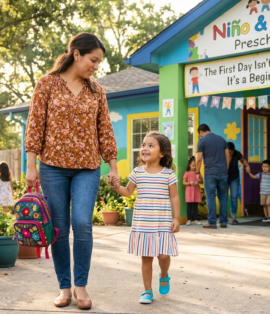
Small children are naturally attached to their primary caregivers. Leaving the comfort of home for a structured environment like preschool can be overwhelming. My nephew Vivikt would cling to my leg, refusing to let go every morning. At Niño & Niña Preschool, we see children like Ria cry on their first day, asking for their previous teacher or simply wanting to stay home.
How to Overcome:
• Build a Routine: Make mornings predictable with a set routine. Breakfast, dressing up and a cheerful goodbye ritual can ease the transition.
• Positive Reinforcement: Celebrate their “big kid” achievement of going to school. Stickers and verbal praise can work wonders.
2. The Homework Battle
Logical Reason: Lack of interest, mental fatigue or feeling overwhelmed.
Homework time was always a struggle with my nephew Vivaan. He would argue, “Why do I need to write my ABCs again?” In preschool, we see similar reluctance in children like Ved, who don’t enjoy coloring activities.
How to Overcome:
• Short, Fun Sessions: Break the task into smaller, manageable chunks. Five minutes of writing, followed by a quick game, works better than a long, draining session.
• Make It Playful: Turn writing practice into a treasure hunt where each correct letter reveals a clue.
• Empathy: Validate their feelings. “I know you’re tired, but let’s finish this quickly so we can play.”
3. The “I Don’t Want to Eat” Tantrum
Logical Reason: Picky eating habits, lack of appetite, or desire for independence.
Every parent knows the dread of mealtime battles. Children often push away anything green on their plate with a determined “NO!” At our preschool, we’ve observed children like Yuvaan gently remind peers about the importance of not wasting food.
How to Overcome:
• Involve Them: Let them help prepare meals. Children are more likely to eat food they’ve “cooked” themselves.
• Creative Presentation: Turn a plate of vegetables into a smiley face or create a rainbow with fruit slices.
• Avoid Power Struggles: Offer two choices instead of dictating what they must eat. For example, “Would you like carrots or cucumbers today?”
Dealing with Tantrums Without Blaming the Preschool
Parents often believe that tantrums are a result of something going wrong at preschool. However, preschool is often where children are learning to navigate social and emotional boundaries. As educators, we are their co-navigators. A parent once approached me, upset that her child refused to come to school. After a discussion, we discovered the child was simply tired from late-night screen time. Addressing this solved the issue.
Tips for Parents and Educators
• Stay Calm: Children mirror our emotions. If you’re frustrated, they’ll escalate.
• Communicate: Talk to the child at their level. Use simple words to name their feelings: “You’re upset because you wanted to play more.”
• Be Consistent: Set clear boundaries. If you give in once, tantrums will become a negotiation tactic.
• Model Behaviour: Show them how to handle emotions by demonstrating calmness.
Tantrums are not the enemy. They’re a child’s way of navigating their big emotions in a big world. With patience, understanding, and consistent strategies, we can turn these moments into opportunities for growth. Remember, the next time your child throws a tantrum, they’re not testing your patience—they’re asking for your guidance.
In my journey as an educator and a ‘bua’, I’ve learned that the key to overcoming tantrums is empathy and collaboration. Let’s not blame the preschool but work together to help our little ones thrive.
So the next time a tantrum strikes, take a deep breath and remember—it’s just a phase, not a reflection of your parenting or our teaching skills.
–Divya Joshi
Co founder, Niño & Niña